SEGA DREAMCAST DEVELOPMENT HISTORY
As early as the release of the Nintendo 64, Sega was already thinking about making a successor 64-bit console or an add-on and Sega finally started two "Saturn 2" projects using the main two PC graphics standards, PowerVR by VideoLogic and Voodoo by 3Dfx. So that does mean in typical Sega fashion, they were developing two seperate Saturn 2 projects simulatenously. These two projects would be given names, the VideoLogic project was called "Dural" and was worked on in Japan while the 3Dfx project was called "Black Belt" and was being worked on in the United States. This also created a weird enviroment where Sega split their talent in half and had double the spending. Finally, on the 22nd of July 1997, 3Dfx announced that Sega has terminated the contract (Blackbelt). This left the Japanese project, Dural, as the only successor console project.
By February of 1998, the project was renamed Katana, an interesting fact is that the Japanese VA0 Dreamcast console motherboard is labelled Katana. The Dural/Katana project was more powerful than the Voodoo project. Sega took into consideration the various flaws of their previous console, the Saturn. Most importantly, the cost and the complexity of the hardware involved on that console. The Katana hardware was more like the architecture of a PC which made things cheaper. This is also around the time that Sega had developed the GD-ROM (Gigabyte Disc) which was the serve as the method to play games on the Dreamcast. It provided 1 GB of space for games at a time when developers routinely broke the 650 MB barrier with their games which required multiple discs and gave Sega the opportunity not to have a DVD drive in the Dreamcast. Adopting DVD would have made the console extremely expensive for Sega and the consumer.

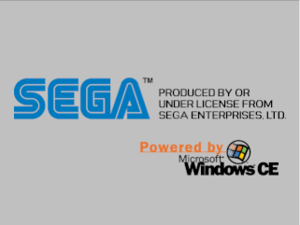
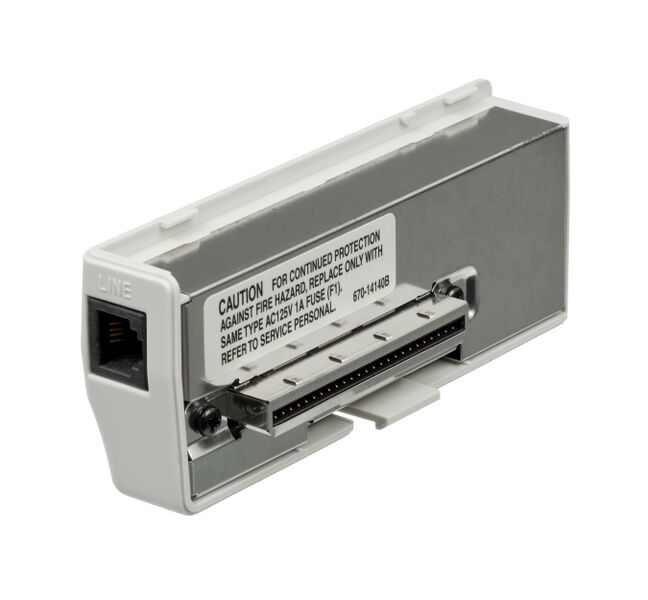
Sega also managed to get Microsoft on board with their console. Many say this is because of Microsoft wanting to enter the console market themselves. Microsoft made an operating system for the Dreamcast which made it easier to port PC games to the Dreamcast. This is also why the Dreamcast console itself on the right of the controller ports has text saying "Compatible with Windows CE". Next was the name, Dreamcast, a port manteau of "Dream" and "Broadcast". Sega and a branding agency went through thousands of names. Ironically enough, while today the Dreamcast name is iconic, back then, according to an Electronic Gaming Monthly poll, the name 'Dreamcast' trailed that of 'Katana' by a margin of 22% (37% to 15%). Sega ended up adding a modular modem to the Dreamcast, allowing the console online-capabilities right of the box despite the extra $15 dollar cost.
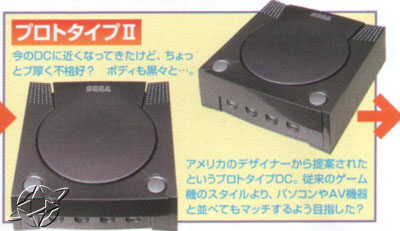
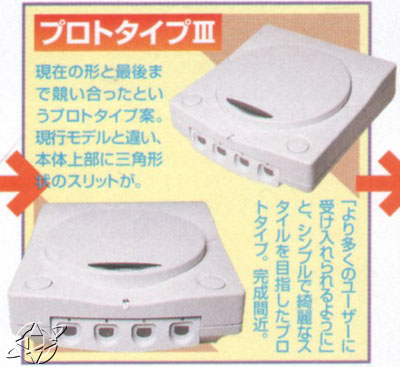
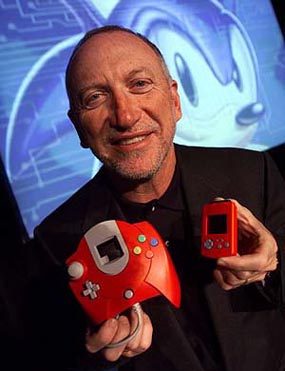
The Dreamcast "look" also underwent as many changes as the hardware did. Both the console and controller had many prototype phases, these will be shown below. It seems the design was finalized by E3 1998. With the first prototypes bearing a strong ressemblance to the Sega Saturn (see photo 1) however even by E3 1998, the Dreamcast still had some changes to be made as indicated by the round START button on the controller. We also see of the wackier controller prototypes before Sega decided to settle on following the design set by the Saturn's 3D Pad (and omitting the C and Z buttons). Some of these are absolutely insane with one bearing most ressemblance to the Wii's Wiimote. The color of the console also changed as the design was finalized. The first prototypes seem to follow the standard Sega black. A photo that won't be showed shows Yuji Naka the creator of Sonic holding the console and a not-clear yellow Dreamcast controller and finally Bernie Stolar holding a red controller and VMU. While the yellow controller never saw the light of day, the red seems to have been repurposed in order to create the Japanese-exclusive Christmas Seaman console set.

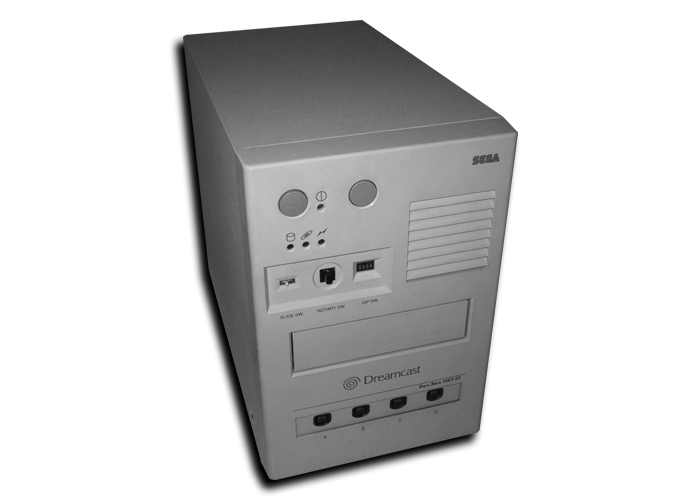
Learning from the lessons of the Saturn, Sega made sure that developing for the Dreamcast was as simple as possible which is why they gave select developers a development kit. While I cannot say much about them, they really did help developers make games and directly contributed to the Dreamcast's library.