Dreamcast Variations in Packaging
In every region it was sold in, the Sega Dreamcast's packaging varied. Sometimes it was a completely different color, other times it's a minor change in the game cases. This section will serve to show and clarify these major and minor differences between the different Dreamcast market region and even the difference within said region.
Changes in North American Packaging
We will first start with the North American packaging of which two variants exist. This difference affects all Dreamcast-related packaging so to be brief console boxes, controller boxes, VMU boxes and game box art. This section will show these differences and when they took place and will also attempt to explain the "why" behind these changes.
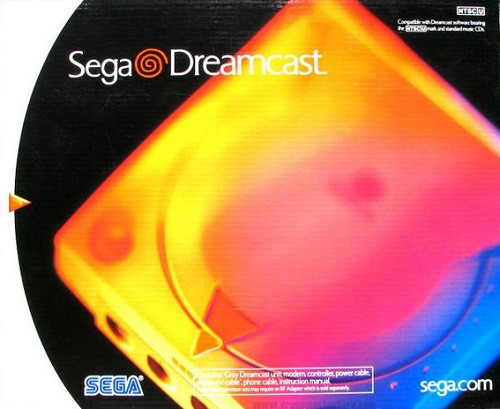
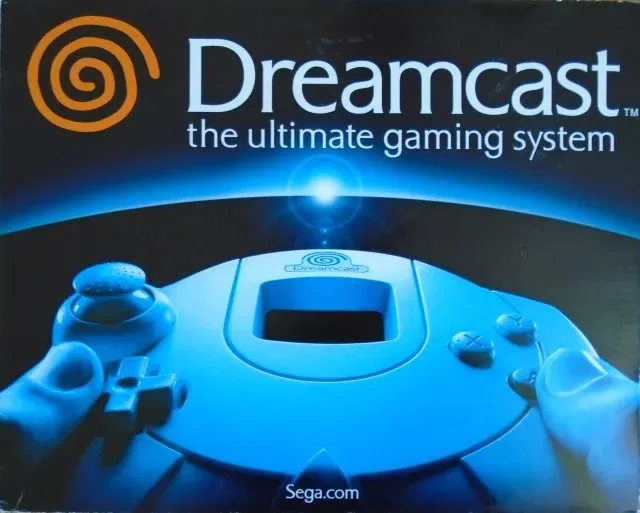
When the Dreamcast first launched in North America on September 9, 1999, it was the first variation in packaging that was present everywhere. This is the "Orange Glow" packaging style, seen on the top left. In August of 2000, allegedly August 30th of 2000, this packaging style was changed. The second variant of US packaging is the "Blue Horizon" style, seen on the top right. The reason for the rebranding is unfortunately lost to time. However, we can speculate. The rebrand could've been a way to keep the Dreamcast 'fresh' while the PlayStation 2 was lauching in the latter quarter of 2000. It could also have been a way to give the Dreamcast a second boost of momentum. There is also an internal leadership change at Sega of America around this time which could possibly be another idea.
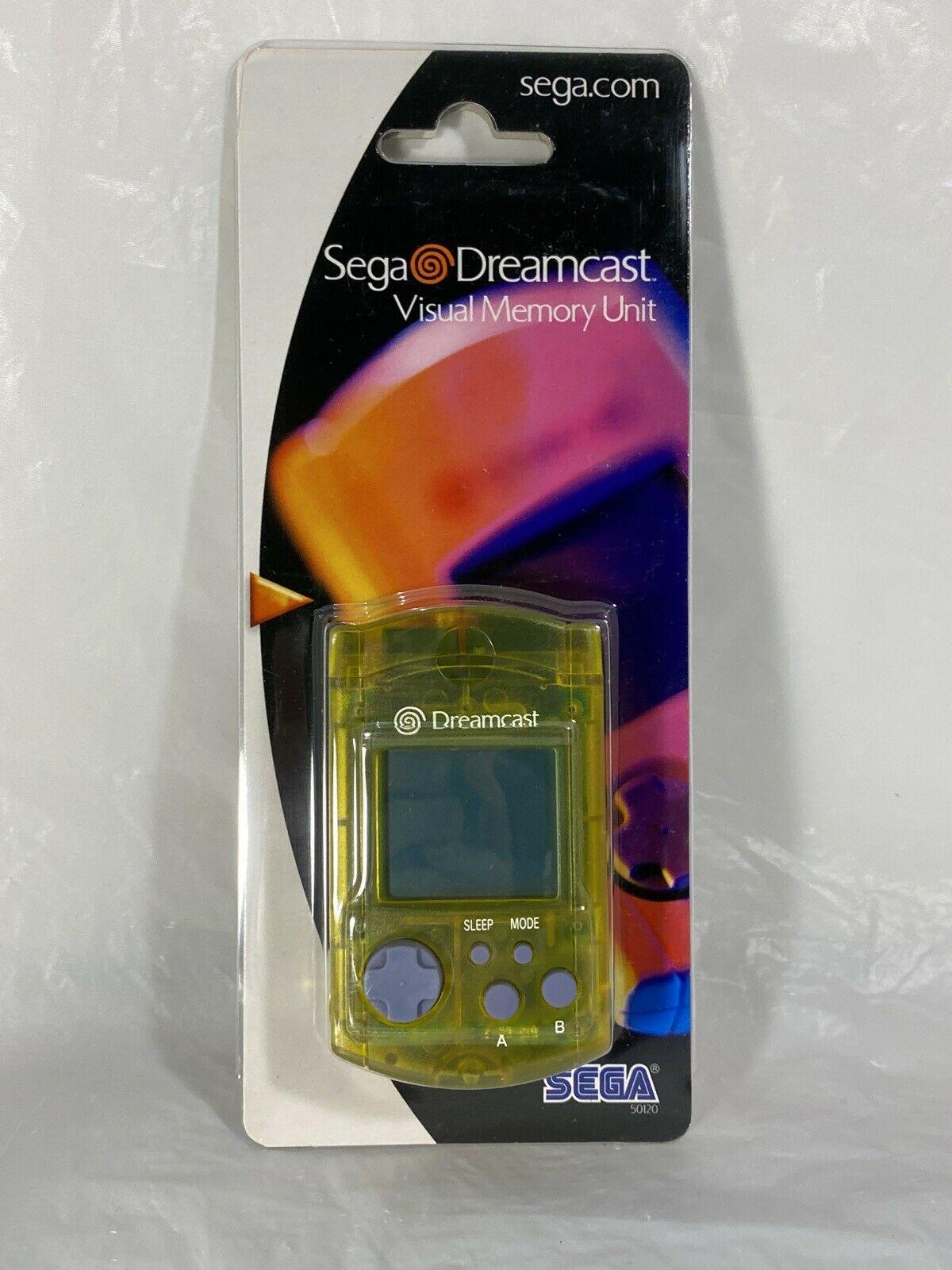
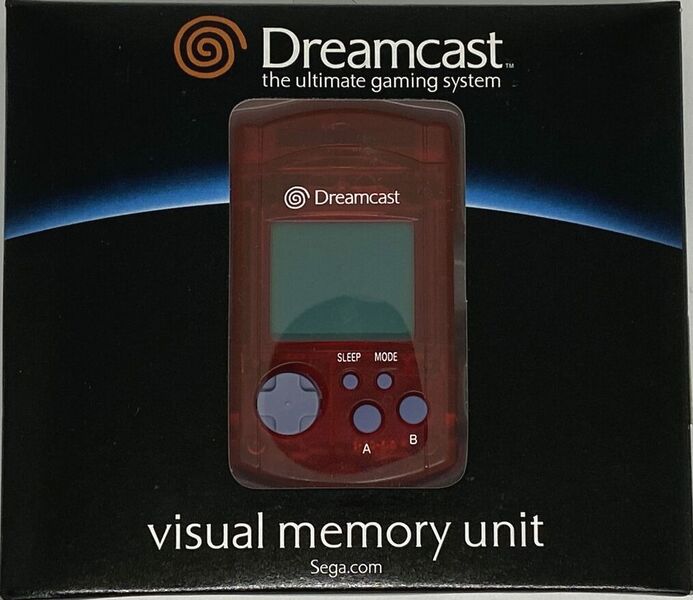
The Dreamcast's VMU also underwent this change. From the first variant, in a blister packaging with the "Orange Glow" style. Now, as mentioned in the VMU Variants section, not every VMU color got a variation in the "Blue Horizon" style. While red, blue, green and grey VMUs were given a second box variant, it appears that the standard white and the struggling-to-sell yellow VMUs did not.
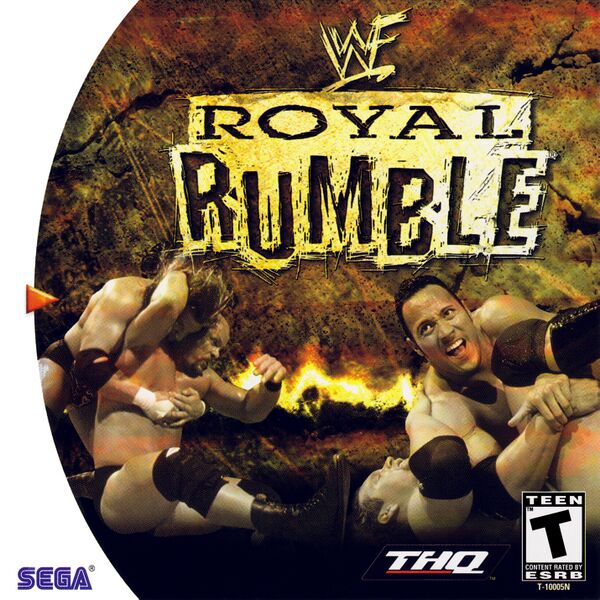
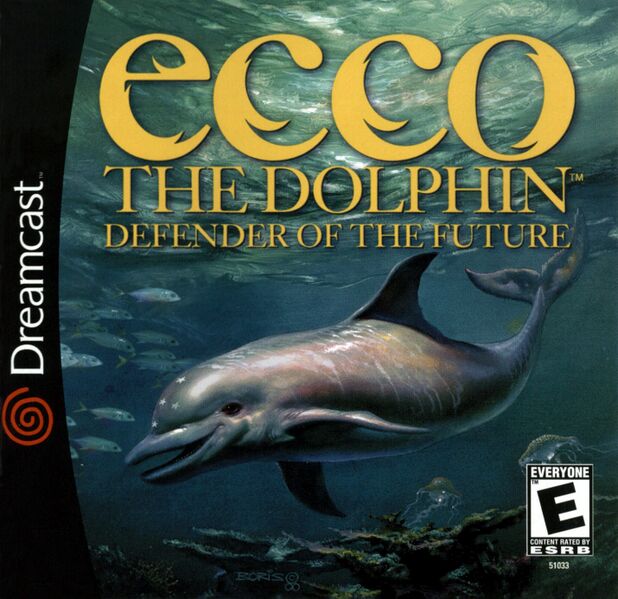
One of the more interesting things is the change in the game packaging. The change from the original launch white boxes to the new 2000 black boxes appears to have happened in August of 2000, with WWF Royal Rumble from August 14, 2000 being the last white box style and Ecco the Dolphin: Defender of the Future from August 15, 2000 being the first black box style.
Changes in European Packaging
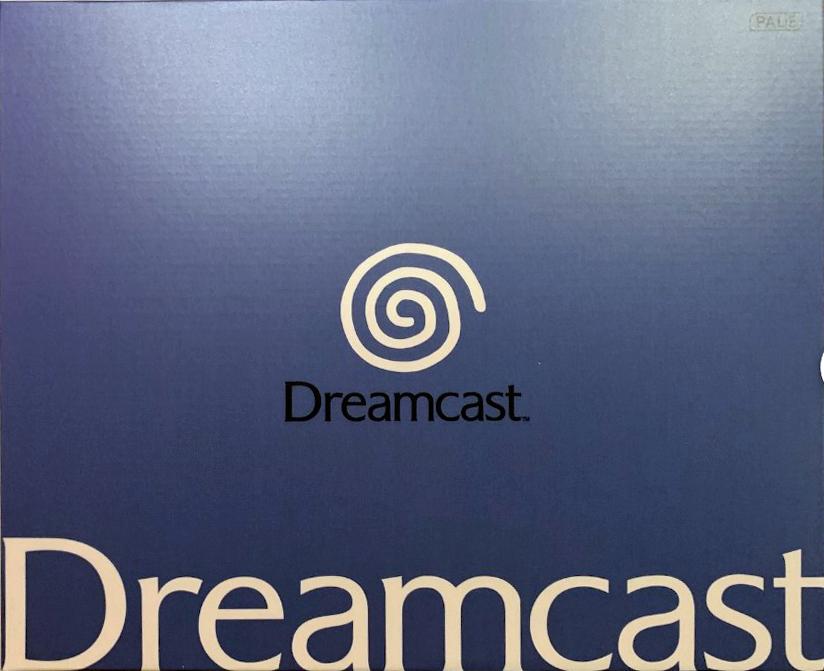
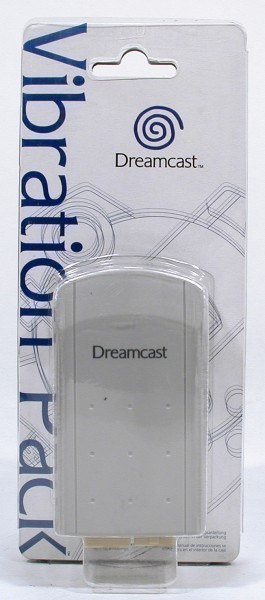
In contrast to the North American Dreamcast packaging, Europe stayed surprisingly uniform through the Dreamcast's 3 year lifespan there. However, a smaller change did take place in the region which will be covered below. In Europe, everything was blue, the console boxes, the controller boxes, the games were blue and everything else was blue. This was obviously because the PAL Dreamcast had the blue swirl mentioned in the console and controller variants sections. The console's box had a blue and white design as seen below, this style was kept from launch to the abandonment of the Dreamcast. The controllers and VMUs followed the same basic design as the console box design. The "Vibration Pack" had a blister packaging where the main color was in fact white.
One of the more infuriating things for PAL Dreamcast collectors like myself is the fact that some games have unique spine art and other just have text. This detail seems to be inconsistent in its application but the earlier titles seem to be more likely to have unqie spine art. This transition point seems to be around mid-2000? From my own collection, Crazy Taxi (released Feb 25, 2000) has spine art, Sega GT (released Dec 1, 2000) doesn't have spine art. On top of this issue, while I wouldn't call these "variants", the background color for PAL Dreamcast spines is woefully all over the place as the color isn't uniform making a shelf look not homogeneous!