The Japanese Launch - November 27th, 1998
The Launch
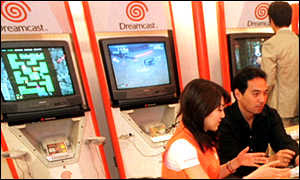
While rumors of Sega's new console were floating around as early as 1997, Sega finally announced the Dreamcast on May 29th of 1998 in Toyko. The countdown to the first Dreamcast launch had begun. At this time, console and game releases weren't done worldwide but staggered with Japan having a launch, then North America then finally Europe. Sega's plan for the Dreamcast had in mind that they were running against the clock: the PlayStation will inevitably launch sometime in 1999 or 2000, so their plan was to build up an install-base which would keep third-party developers interested in making games for the Dreamcast as well as hopefully gain an advantage by being the first 6th generation console to hit the market. Sega had not forgotten that their Saturn had actually been moderately successful in Japan and hoped to repeat that success. Sega had even considered making the Dreamcast backwards compatible with the Saturn but the Western divisions of Sega strongly protested this as it would've be very difficult and expensive. Launch day was to be November 27, 1998. As always, Sega started building hype and aired plenty of advertisements. One of the more famous ones is the Saturn's mascot in Japan, Segata Sanshiro saving Sega and the Dreamcast from an attack and ultimately sacrificing himself. Some of the pre-launch ads will be below, apologies for the low quality.
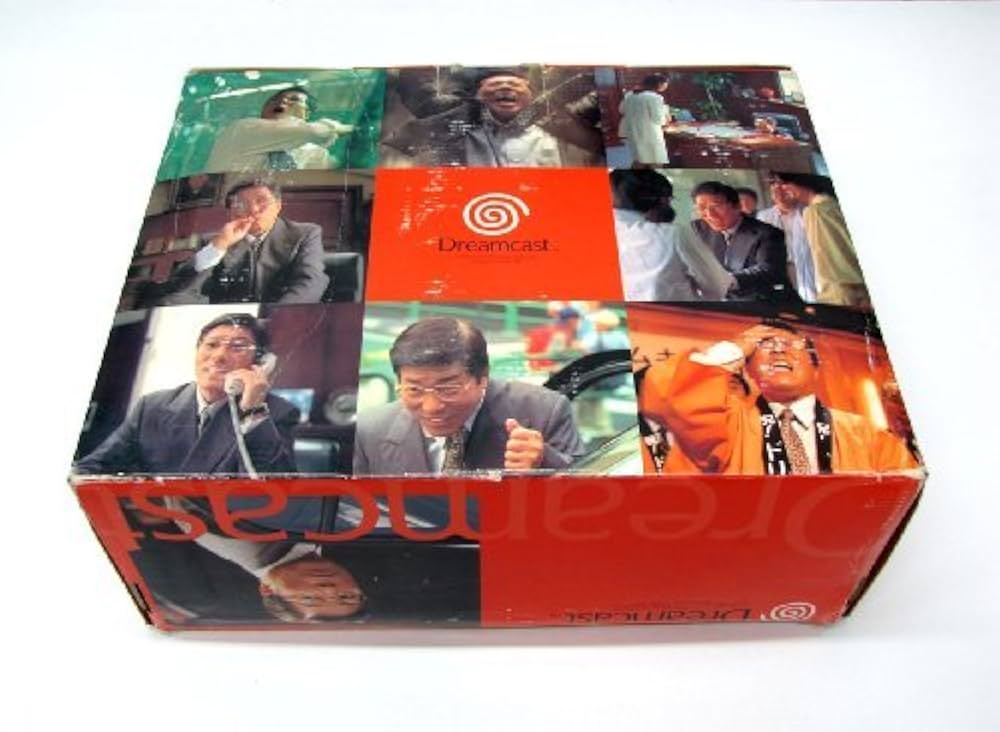
One of the more iconic advertisement campaigns for the Dreamcast were the Yukawa ads. This was a series of story-like ads that follow Sega's then Managing Director and spokesman Hidekazu Yukawa going from getting beat-up to selling the console to announcing production issues. Yukawa became a star in Japan, featuring in the Japanese packaging for most of the console's lifespan in Japan! The Webmaster admits that he finds the ads very charming.
To say the launch in Japan of the Sega Dreamcast was successful wouldn't exactly be true, Sega had big plans for this launch as the advertising budget was three times that of the Saturn. Sega had hoped to build up stocks of the console around 500'000 units in the months leading to the launch. However, Sega and their suppliers suffered some major setbacks, NEC was struggling to make the PowerVR 2 chips required in every Dreamcast and these issues lead to a defect rate of around 1/3rd of the chips having to be scrapped. By launch an estimated 100'000-150'000 consoles were available to purchase with 80'000 kept behind the counter as pre-orders.
The Dreamcast was priced at ¥29'000 and 4 games, that will be mentioned below, were available for the launch, a fairly mediocre launch lineup. Sega had wished to sell about 500'000 Dreamcasts in Japan by the end of the year and 1 million by Fiscal Year 1998 (March 31st). From November 27 to November 30 1998, Sega sold a total of 140'830 Dreamcasts or about 47'000 consoles a day. Supply issues were rampant as Sega severely struggled to keep up with demand and it is estimated that Sega could've sold an additional 100'000-200'000 Dreamcasts during the launch period. Dreamcast sales were inevitably going to be hurt by the eventual launch of the PlayStation 2 and sales were already lagging by 1999 so by early June of 1999, Sega slashed the Dreamcast price from ¥29'000 to ¥19'900, a massive drop that meant that Sega was finally losing money on every Dreamcast, ¥2'000 per unit however, this move did boost sales and helped sell around 65'000 consoles. Sega also had the terrible idea to try having two systems in Japan, the Dreamcast would handle the 3D stuff while the Saturn would handle the 2D stuff.
Japanese Launch Lineup
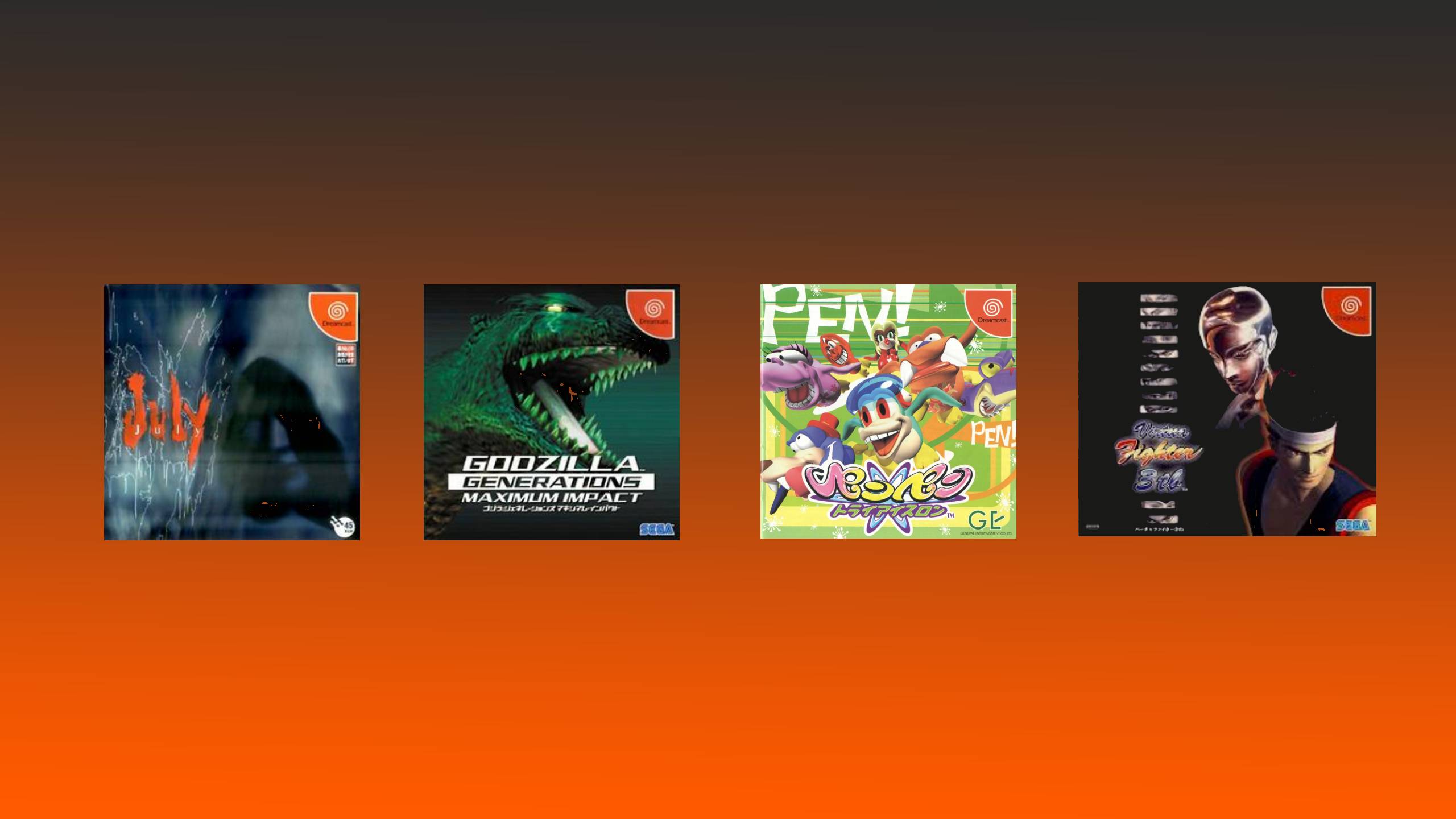
The Japanese launch lineup was fairly lackluster with only 4 titles being available and only one in particular being of interest to Japanese gamers: Virtua Fighter 3TB. July was a visual novel, Pen Pen Tricelon was an odd sort of party/racing game that is best with multiple players and Godzilla Generations was a 3D Godzilla game. All in all, a fairly weak launch for Sega's new console. The ongoing chip shortage which hampered Sega's ability to sell more Dreamcast consoles did not help them! Famously, the Blue Blur was notably absent at this launch, with Sonic Adventure releasing in Japan on December 23rd, 1998. Almost a whole month later. The launch lineup is listed below:
| Japanese Launch Game Lineup | |
|---|---|
| Godzilla Generations | July |
| Pen Pen Tricelon | Virtua Fighter 3TB+ |